
Four Decades of Farming. A Vision for the Future.

Mohamed Waheed has devoted more than four decades to agriculture in the Maldives, with Madidhoo at the heart of much of that journey.

From hands-on cultivation to developing agricultural operations capable of supplying resorts and markets, his work has been driven by a long-standing belief in the potential of local food production.

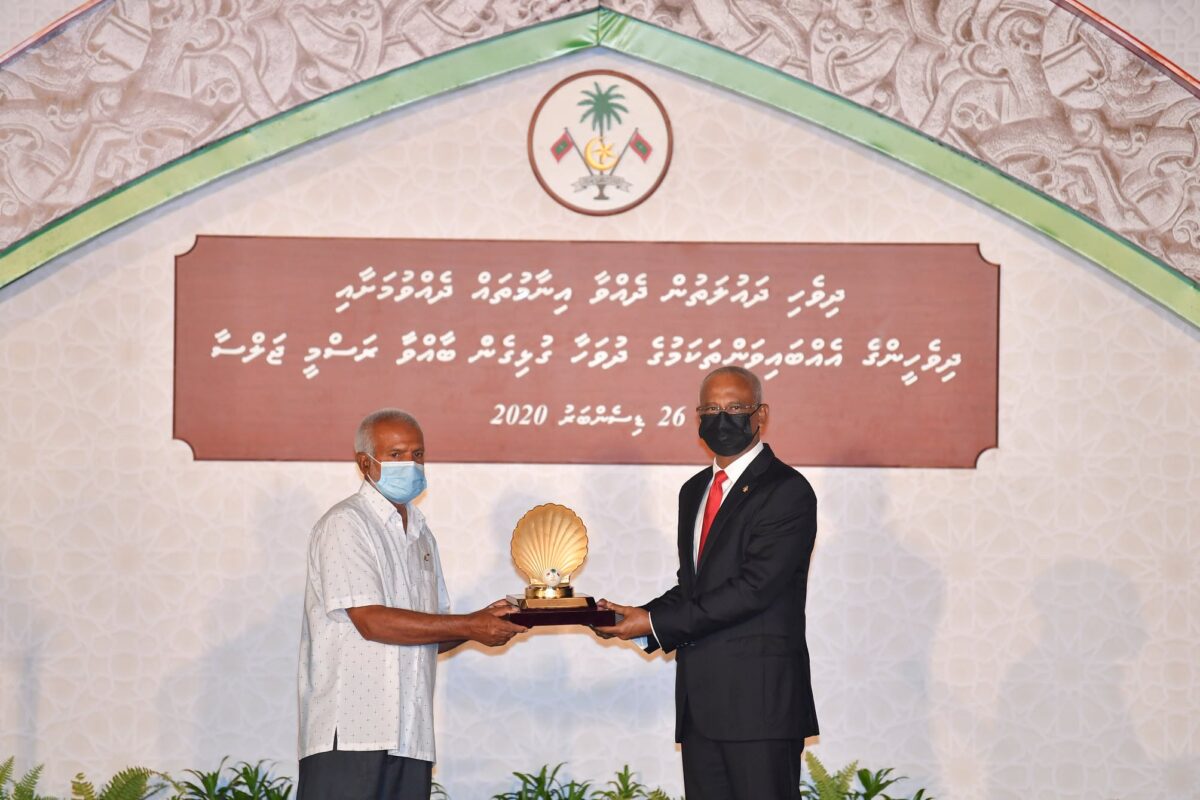
In 2020, his contribution to Maldivian agriculture was recognised with the National Award of Honour in the field of agriculture.
A Life Rooted in Agriculture
A Journey That Began in 1984

Mohamed Waheed began working in agriculture in 1984. His early years were spent gaining practical experience through farming in Shaviyani Atoll, including agricultural work at Madidhoo.

Over time, farming developed from a livelihood into a lifelong commitment. He continued to build his knowledge through experience and also undertook agricultural training in the Philippines, gaining further exposure to modern farming practices.

That combination of practical experience, persistence and a willingness to learn would later shape the development of Madidhoo.

The Madidhoo Story
Building Agriculture on an Island Scale
Agriculture at Scale

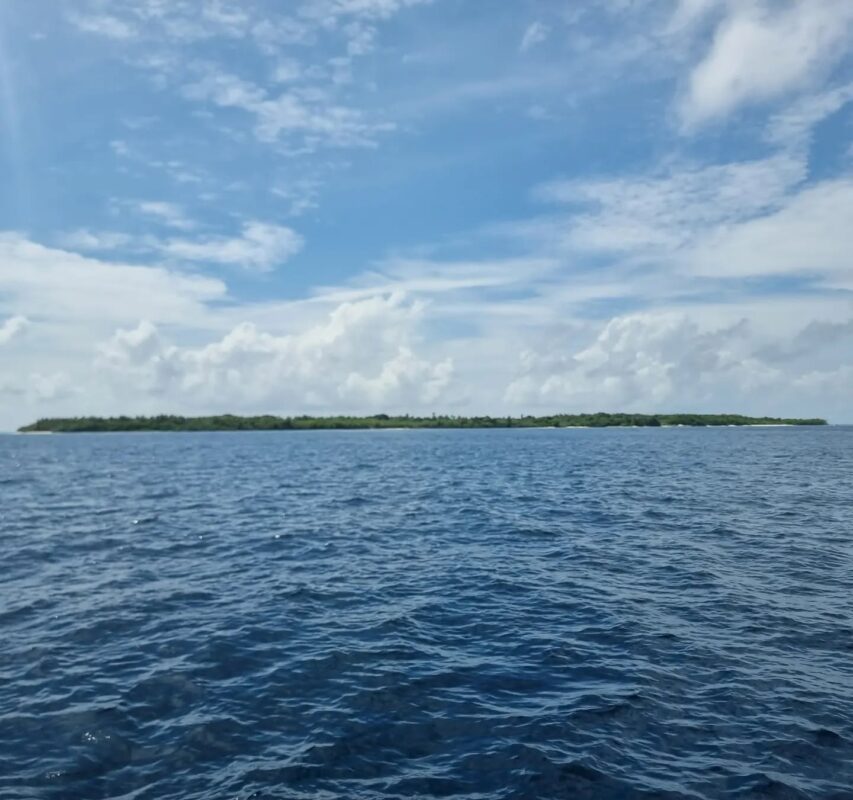
A major new chapter began on 3 July 1994, when Mohamed Waheed took Madidhoo on a long-term lease for agricultural development.

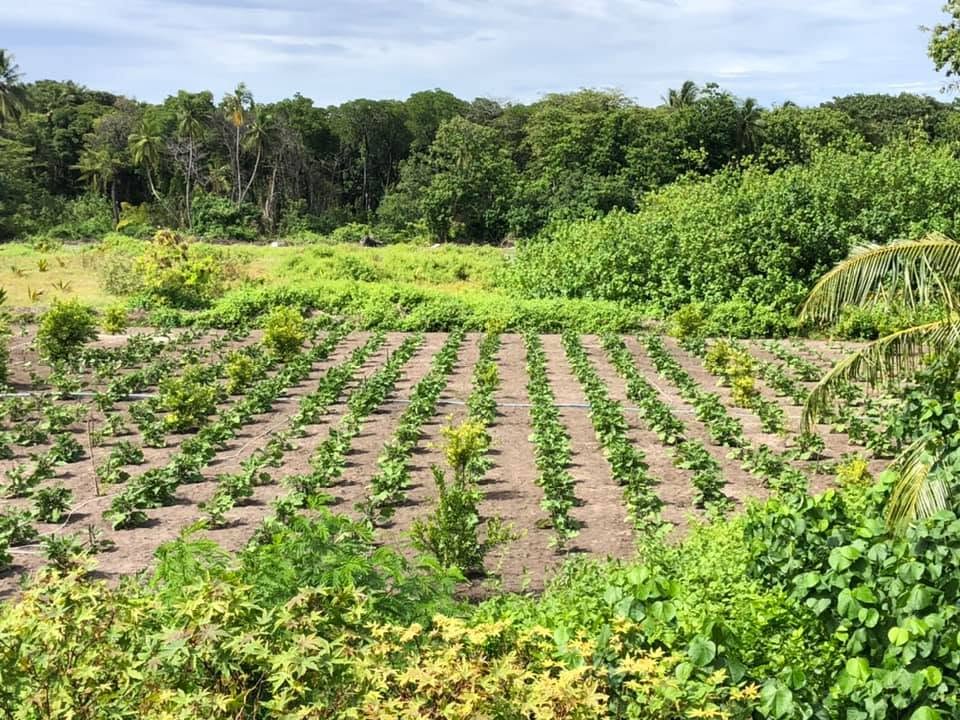
Cultivation initially covered approximately 20,000 square feet, supported by a small workforce. As production developed, more land was brought into use and the agricultural operation expanded substantially.

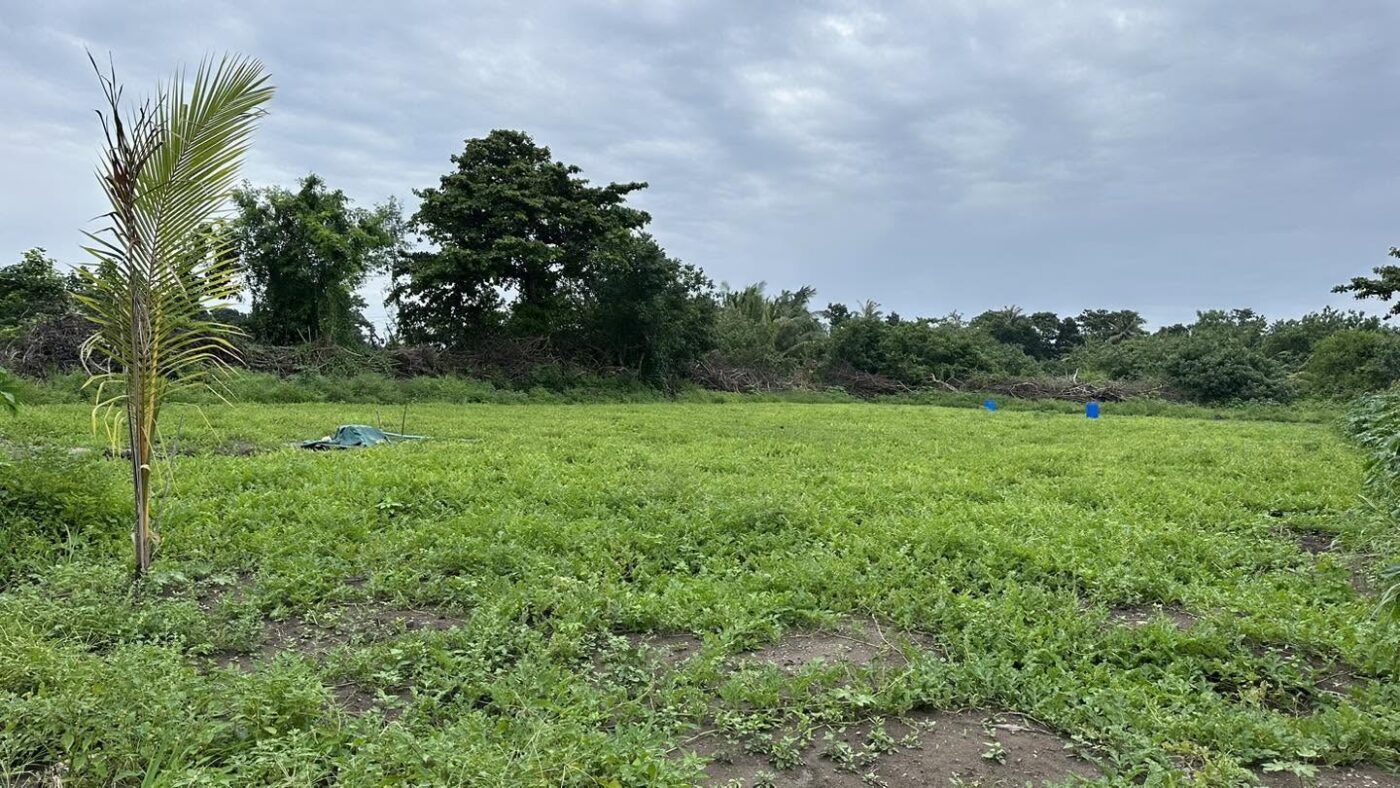
Over the years, cultivated areas grew to around 60 hectares, supporting a wide variety of crops and a much larger agricultural workforce.

Madidhoo became the centre of an agricultural operation built around cultivation, people, infrastructure, transport and access to market.

Growing for the Maldives
From the Fields of Madidhoo

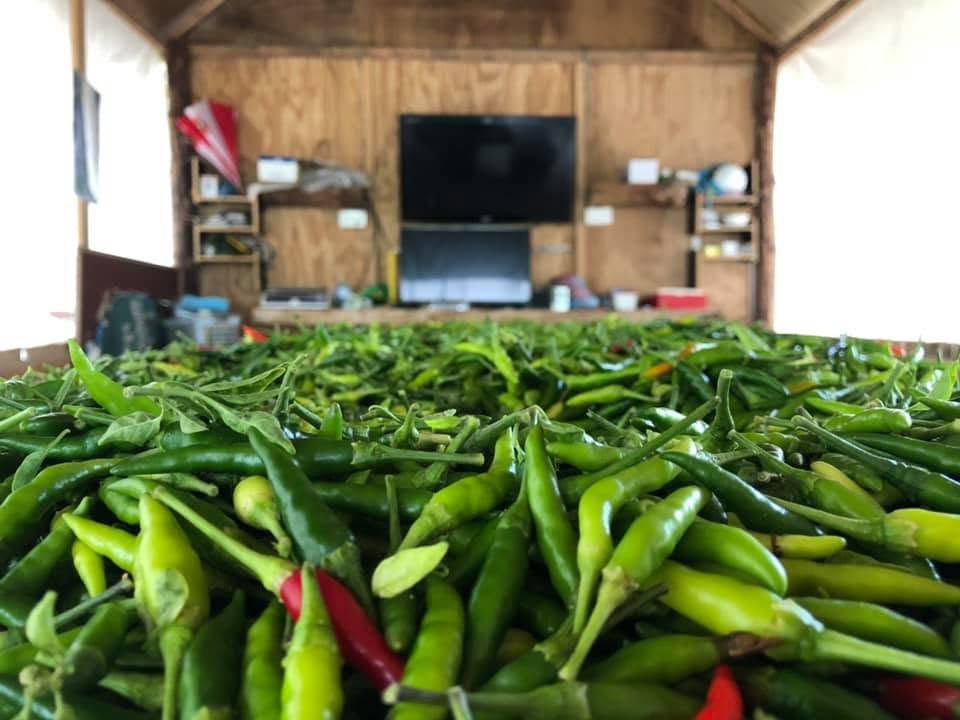
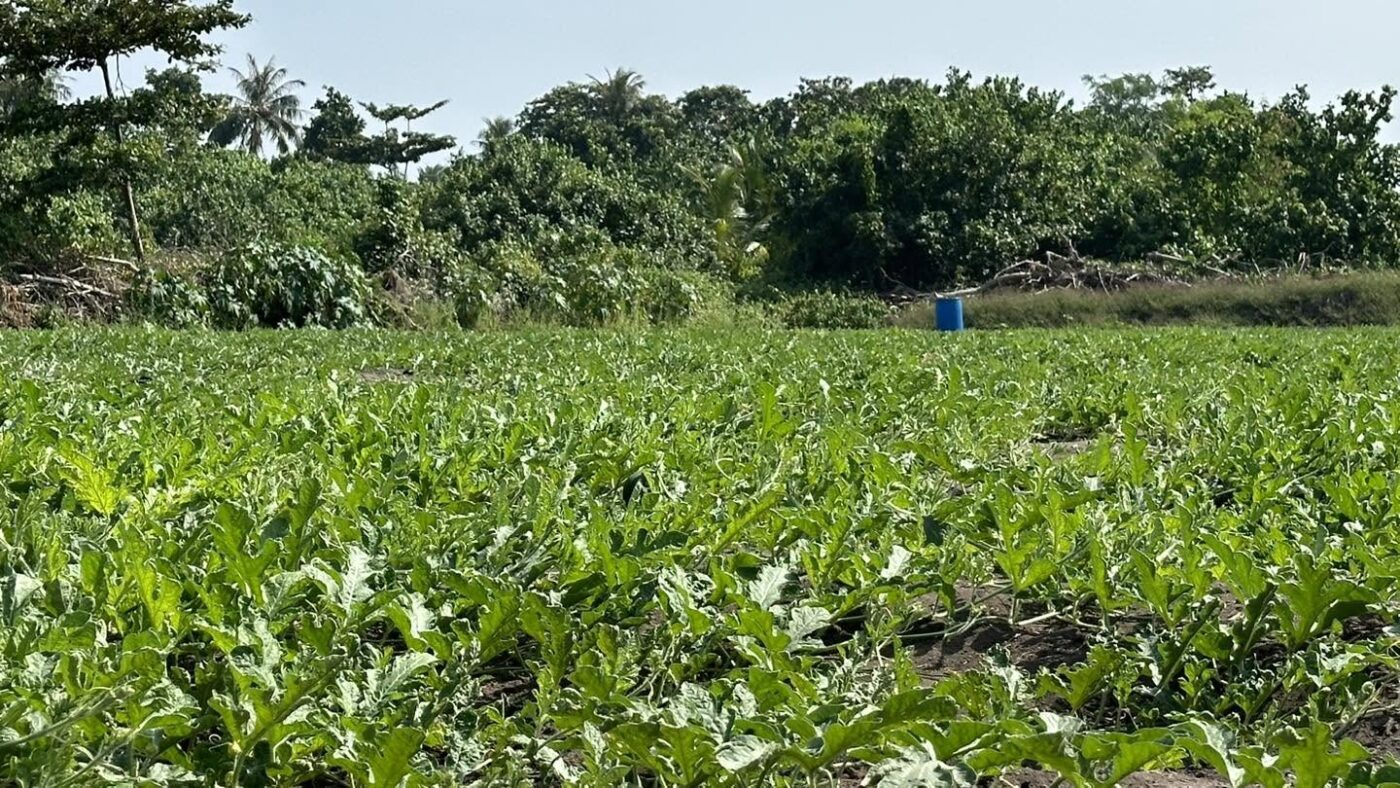
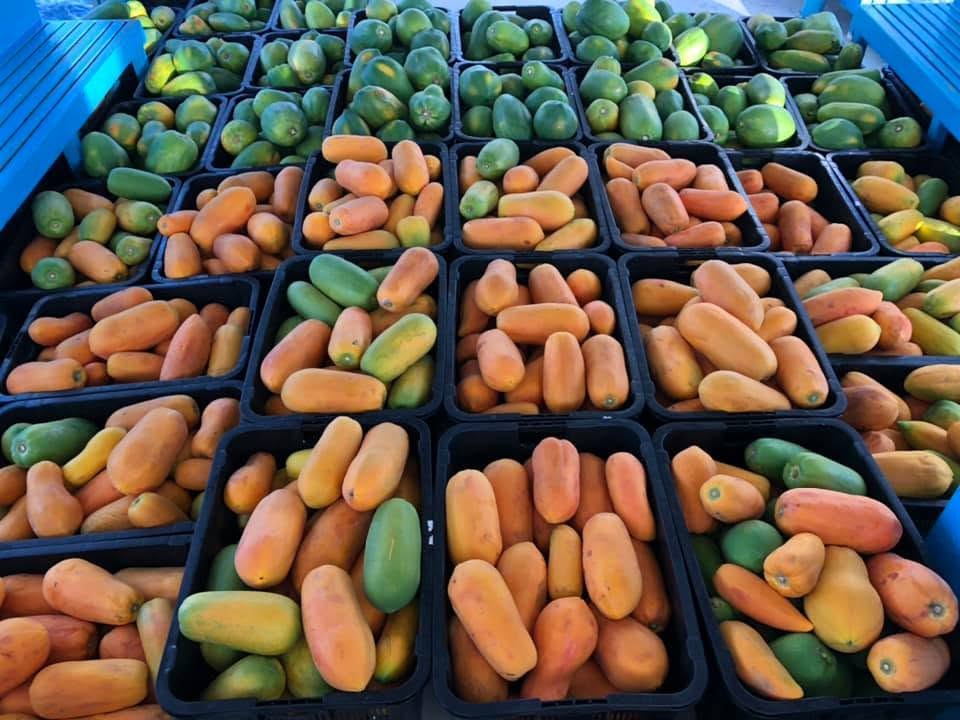
A wide variety of fruits and vegetables have been cultivated at Madidhoo over the years, including watermelon, cucumber, chilli, tomato, capsicum, cabbage, beans, papaya, passion fruit and many other crops.

The scale and diversity of production helped establish Madidhoo as a significant source of locally grown agricultural produce.

For Mohamed Waheed, successful farming has never been only about growing crops. It has also meant finding reliable ways to harvest, handle, transport and sell what is produced.

From Madidhoo to Market
Connecting Production with Customers

As production expanded, so did Madidhoo’s connection with the wider market.

During a significant period of its agricultural development, produce from Madidhoo was supplied to 22 resorts, as well as to customers in Malé. Dedicated vessels were used to transport produce from the island and maintain these supply connections.

From 2002 to 2015, Madidhoo Mart also operated in Malé, creating a direct outlet for agricultural produce from the island.

This integration of farming, transport and market access became an important part of the way agriculture developed at Madidhoo.

National Recognition
NATIONAL AWARD OF HONOUR • AGRICULTURE • 2020
Recognised for His Contribution to Maldivian Agriculture

In 2020, Mohamed Waheed received the National Award of Honour in the field of agriculture.
The national recognition reflected decades of commitment to farming, the development of agricultural production and his wider contribution to strengthening the sector in the Maldives.

For Waheed, the award represents a journey built through years of practical work — cultivating land, developing Madidhoo, bringing local produce to market and continuing to advocate for the potential of Maldivian agriculture.

A Vision for the Future
Growing More of What the Maldives Needs

Mohamed Waheed’s vision for agriculture extends well beyond Madidhoo.

He believes the Maldives has the capacity to produce far more of its own food and that stronger domestic agriculture can play an important role in improving food security and reducing dependence on imported produce.

He has also consistently emphasised the importance of creating better conditions for farmers — including access to markets, appropriate support and opportunities to expand production. In his view, with the right environment, Maldivian agriculture has the potential not only to meet more domestic demand, but eventually to produce for markets beyond the country.

Food Security

Strengthening the country’s ability to produce more of the food it consumes.

Stronger Opportunities

Creating an environment in which farmers can grow, market and expand their production.

Future Markets

Building the capacity for Maldivian agriculture to grow beyond domestic demand.

Inspiring the Next Generation
Passing Knowledge Forward

For Mohamed Waheed, the future of agriculture also depends on the next generation.

He has advocated for agricultural knowledge to become part of education from an early age, helping young people understand farming, food production and the opportunities available within the sector.

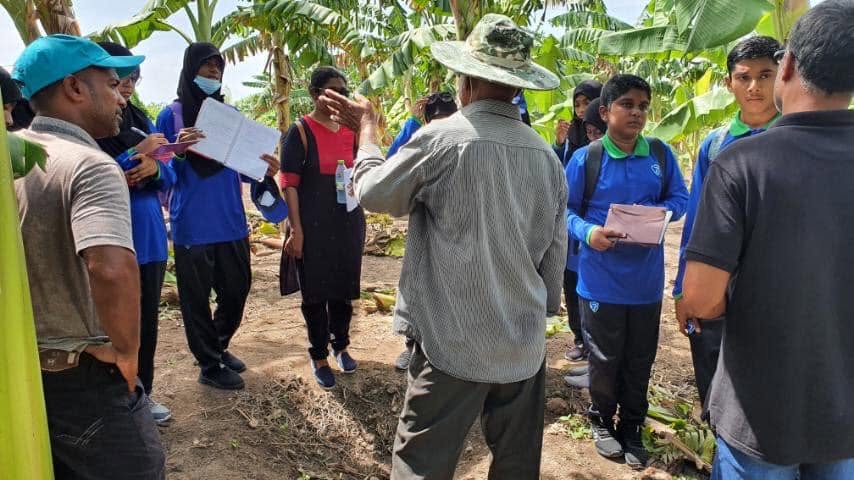
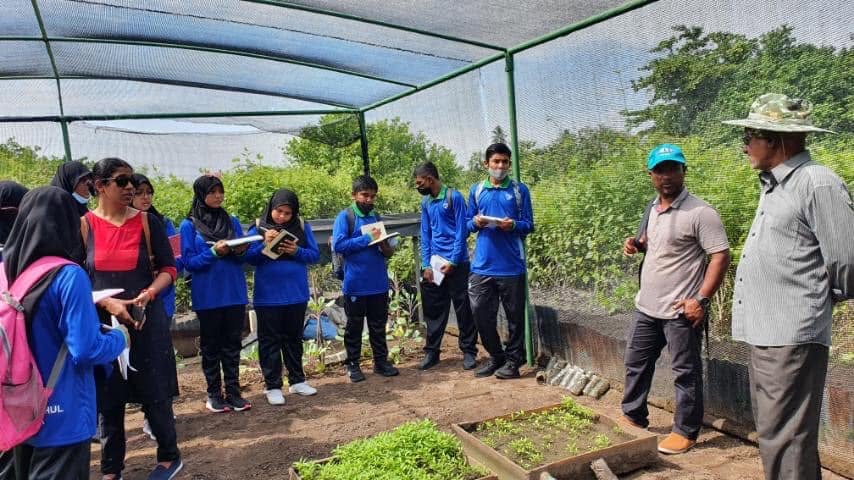
That belief has also been put into practice at Madidhoo. Students have visited the island to experience agriculture first-hand, observe cultivation and learn about the practical work involved in producing food in an island environment.

By sharing knowledge and experience, Madidhoo provides an opportunity for younger generations to see agriculture not simply as a traditional activity, but as a sector with an important place in the future of the Maldives.

A Continuing Legacy
Experience That Continues to Shape Madidhoo

From the beginning of his agricultural journey in 1984 to the development of Madidhoo and national recognition of his contribution, Mohamed Waheed’s story is one of persistence, experience and a lasting commitment to local food production.

More than four decades of agricultural experience now form part of the foundation on which Madidhoo continues to grow.

The work continues with the same underlying purpose: to strengthen agriculture, grow more locally and contribute to a more resilient future for food production in the Maldives.