Agriculture in the Maldives has the potential to contribute more to local food production, reduce reliance on imports and strengthen the country’s food security.
In a December 2021 interview with PSM News, Mohamed Waheed discussed the opportunities and challenges facing agriculture in the Maldives, including production capacity, access to markets, support for farmers and the need to encourage younger generations to enter the sector.
The discussion raised a broader question that remains relevant to agriculture in the Maldives: how much more of the country’s food could be produced locally?
The Potential to Increase Local Food Production
One of the central points raised in the PSM interview was that agricultural production in the Maldives could be expanded considerably under the right conditions.
Waheed argued that the capacity to produce more food exists, but increased production needs to be supported by reliable demand and access to markets.
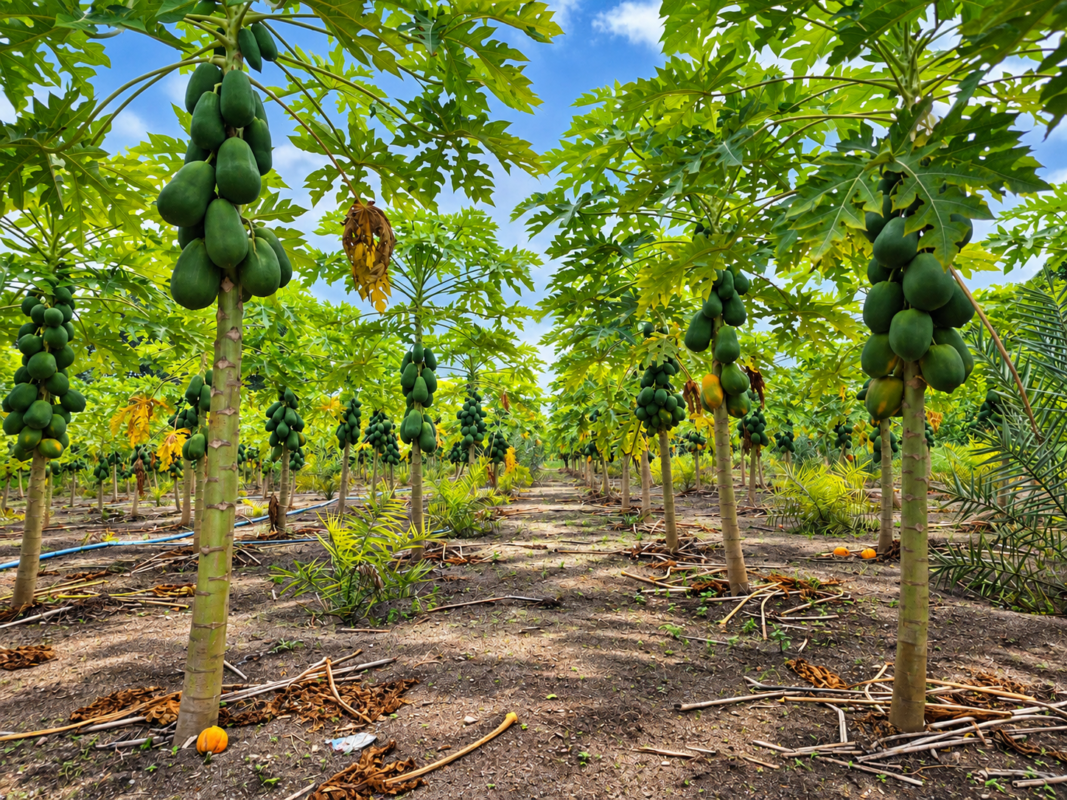
As an example, he said that if there were confirmed export orders, he alone could produce approximately 15 to 20 tonnes of papaya per week, after meeting domestic demand.
The example highlights an important issue in commercial agriculture. Increasing production is only practical when farmers have confidence that additional produce can be sold.
For local agriculture to grow sustainably, production and demand therefore need to develop together.
Reliable Markets for Maldivian Farmers
Access to reliable markets is one of the most important factors affecting agricultural production.
Farmers may be capable of producing larger quantities, but crops need dependable buyers once they are ready for harvest.
In the PSM interview, Waheed highlighted the importance of creating better opportunities for farmers to sell what they produce.
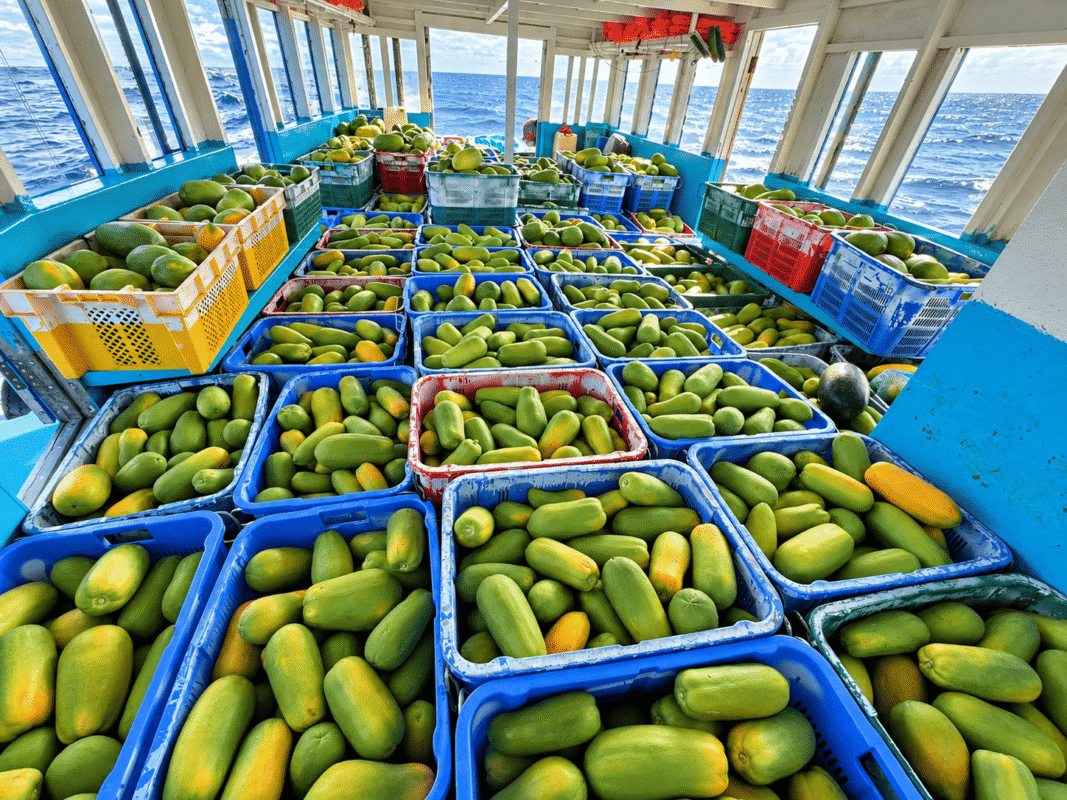
This is particularly relevant in the Maldives, where agricultural islands can be separated from customers by considerable distances. Fresh produce may need to travel by sea to population centres, resorts, retailers and other buyers.
Better coordination between producers and customers can allow farms to plan cultivation around expected demand rather than producing crops without a clear route to market.
For larger-scale agriculture, the connection between farming, transport and distribution is especially important.
Supporting Agricultural Production
The interview also addressed the role that support for farmers can play in expanding local food production.
Waheed referred to agricultural systems he had observed in other countries, where farmers receive various forms of government assistance to help make domestic production commercially sustainable.
He argued that targeted support for productive farmers could help increase the quantity of food grown in the Maldives.
Agriculture involves costs beyond cultivation itself. Farmers must account for labour, agricultural inputs, irrigation, machinery, infrastructure, transport and the movement of produce to market.
For island agriculture, marine logistics adds another layer of cost and complexity.
Measures that improve the viability of agricultural production can therefore influence not only individual farms, but also the overall availability of locally grown food.
Encouraging Young People to Enter Agriculture
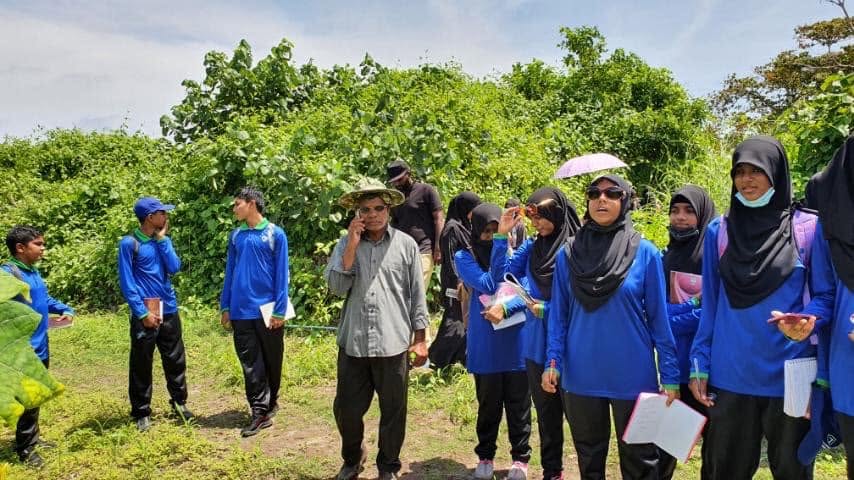
Another issue raised in the interview was the relatively small number of young people entering agriculture.
Waheed argued that agricultural knowledge should be introduced through education from an early age, allowing younger generations to develop an understanding of farming and food production.
Modern agriculture involves much more than field work. It can include irrigation technology, machinery, crop management, logistics, business, marketing and food supply.
Encouraging younger people to develop an interest in these areas is important for the long-term future of agriculture in the Maldives.
Practical agricultural knowledge also takes time to develop. Creating opportunities for younger generations to learn from experienced farmers can help preserve and expand skills built over many years.
Agriculture and Food Security in the Maldives
Food security remains an important consideration for an island nation that relies heavily on imported goods.
Increasing local production does not mean eliminating food imports. Geography, available land, climate and economic realities will continue to influence what can be produced domestically.
However, greater agricultural production can contribute to a more diversified food supply.
Locally grown fruits and vegetables can shorten parts of the supply chain, create economic activity within the country and provide customers with access to fresh Maldivian produce.
The PSM interview presented a straightforward argument: the Maldives has the ability to produce more food locally, but expanding agriculture requires production, markets, education, transport and support systems to develop together.
Building on Practical Experience
Agriculture in the Maldives has developed through farmers working within the particular conditions of an island nation.
Experience gained from cultivating crops, managing water, transporting produce between islands and supplying different markets provides useful insight into both the potential and the limitations of local agriculture.
Madidhoo has been part of this agricultural story for decades.
The experience developed through farming in Madidhoo reflects many of the realities discussed in the PSM interview – from cultivation and harvesting to marine transport, market access and supplying customers.
As discussions around food security and greater local production continue, practical agricultural experience remains an important part of understanding how the sector can develop further.
Source: Based on an interview with Mohamed Waheed published by PSM News on 4 December 2021.